The quiet economics of green buildings
Sustainability1 min read
Green building conversations often begin with certification and end with capital cost. The more useful conversation sits in between: how much does the building cost to operate, adapt and maintain over its life?
Lower operating loads
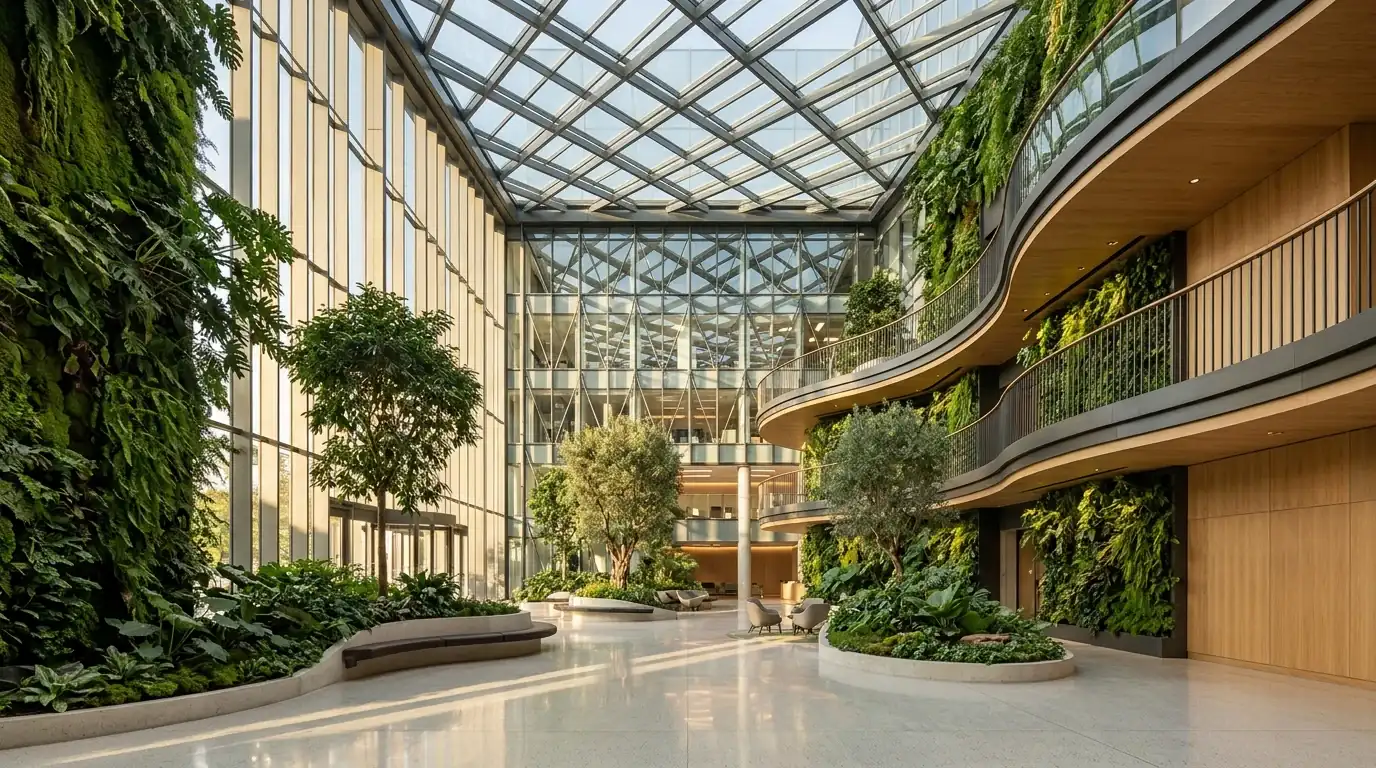
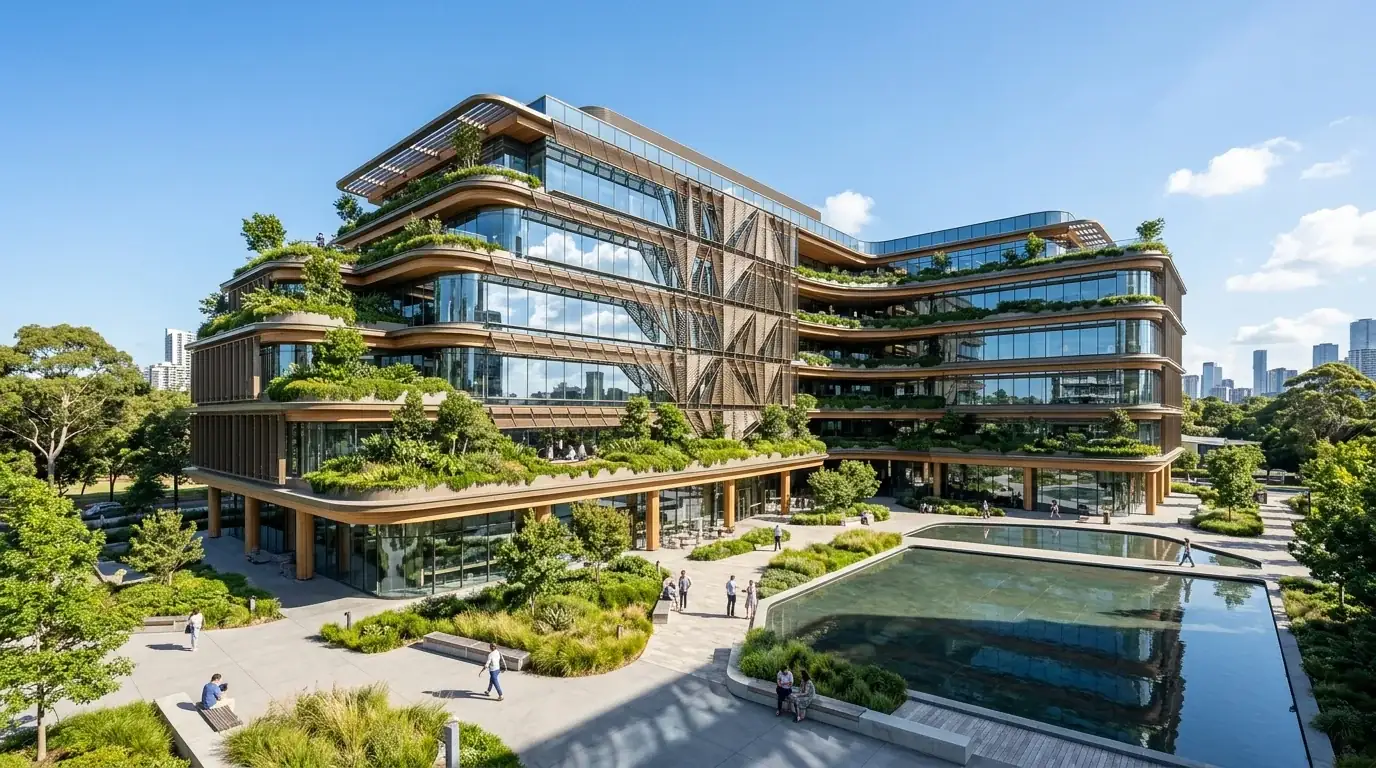
Better envelopes, daylight and efficient services reduce monthly energy demand. The savings are gradual, but they continue for the life of the building. In a commercial asset, they also improve the building's appeal to tenants who track their own operating costs.
Water and waste are visible costs
Rainwater harvesting, low-flow fixtures and responsible construction waste management are often treated as ethical extras. They are also practical ways to reduce utility bills and avoid disruption during future upgrades.
Adaptability protects value
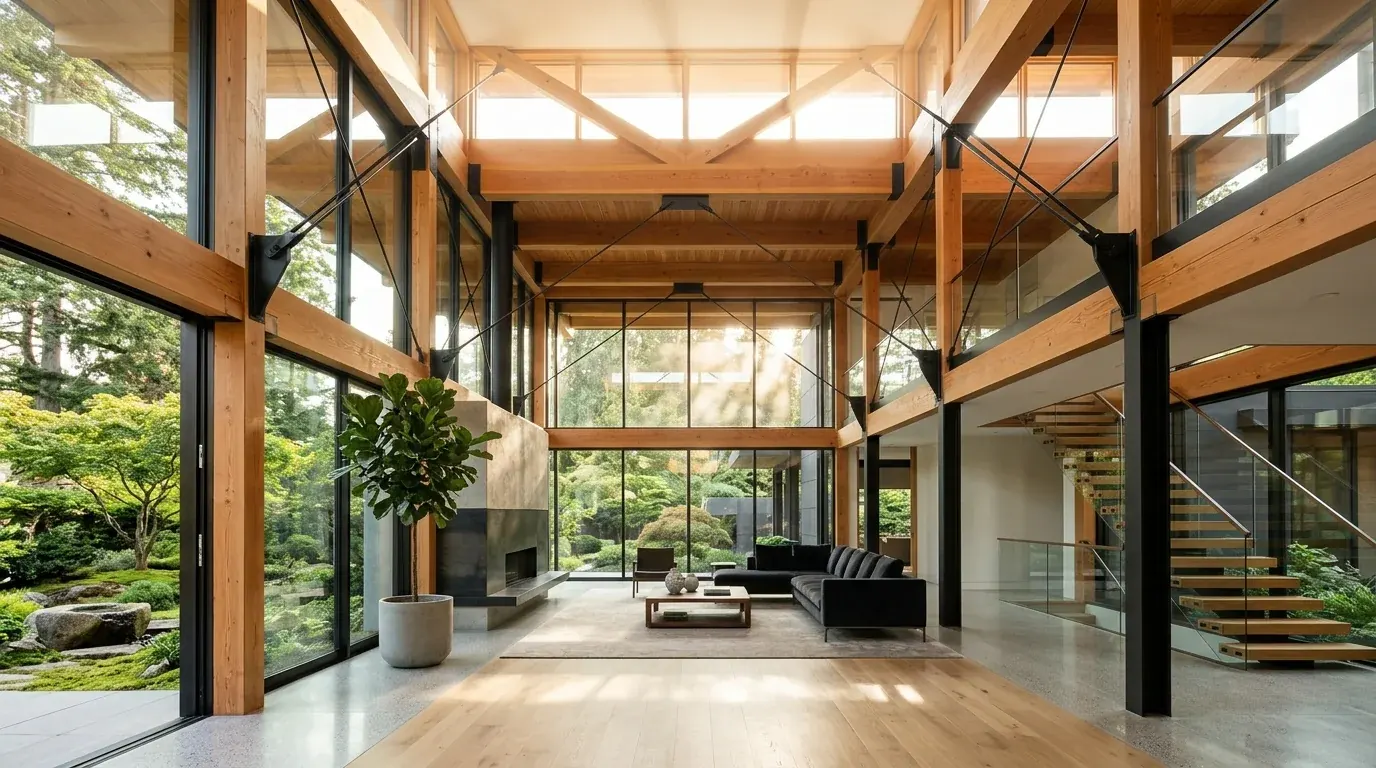
A building that can change its layout without major demolition is easier to lease, easier to refurbish and less likely to become obsolete. That flexibility comes from good structure, generous floor-to-ceiling heights and coordinated services.
- Model energy use before systems are selected
- Design for future fit-out changes
- Track water and waste during operation
- Choose materials with a clear maintenance path
The financial case for green buildings is rarely a single dramatic number. It is a collection of smaller advantages that compound over time.